Turn curved page photos into flat, readable scans
Drop in a photo of a book, newspaper, or document: get back a flattened, straightened page in seconds.
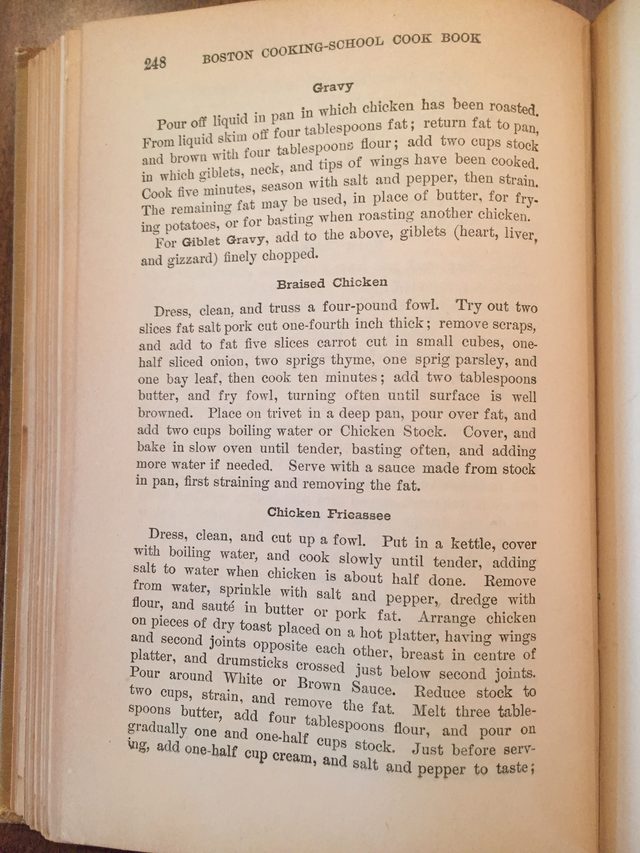
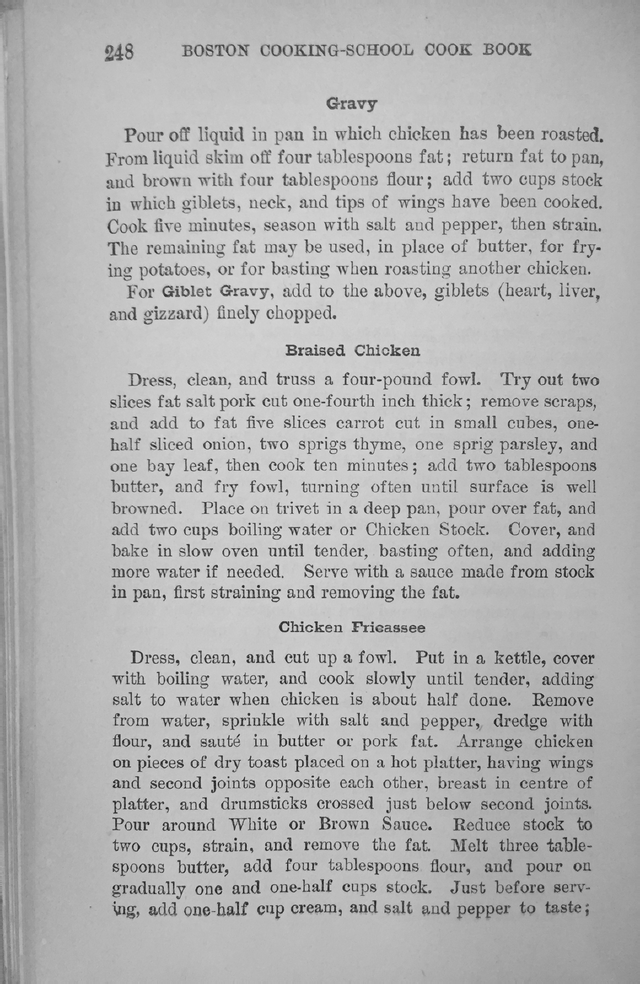
Prefer the API? See the curl example ▾
curl -s https://page-dewarp-api.louismmx.workers.dev/api/dewarp \
-H "Authorization: Bearer pdw_your_key" \
-F "file=@book-page.jpg" \
--output dewarped.png
# That's it. One image in, one image out.
Your camera captures it fine. The scan doesn't.
Most scanning apps assume the page is flat. Yours isn't.
page-dewarp fits a cubic curve to the actual curvature of the page and maps it back to a flat plane giving you sharper text, less distortion at the margins, and a better page for text OCR.
Physically modelled
Fits a cubic Hermite spline to the shape of the page, modelling how the paper surface actually bends, not just a perspective guess.
JAX-accelerated
Runs page-dewarp with JAX autodiff, ~11× faster than the SciPy fallback. Typical processing: 2–4 seconds per image.
Pay per image
No subscriptions. Buy credit packs from £2 and use them whenever. If processing fails, you're not charged. See pricing →
Every knob exposed
All page-dewarp parameters can be tuned, from page margins to line detection settings.
Structured metadata
Every response includes the fitted rotation, translation, cubic coefficients, and page corners as JSON for QA or batch analysis.
Open source core
The library behind this API is MIT-licensed and on GitHub — this service is for people who want dewarping without managing Python, NumPy, SciPy, OpenCV, and JAX.
Frequently Asked Questions
Do I need to install anything?▾
No. The app runs entirely in your browser: upload a photo, download the flattened result. The API is there if you want to integrate it into your own tooling.
What does it cost?▾
You get 5 free credits with no card required. After that, credit packs start from £2 and are used per successful image: if processing fails, you keep the credit.
What image formats are supported?▾
JPG, PNG, and TIFF in; PNG, JPG, or TIFF out. See the quickstart for the full parameter list.
How is this different from a perspective-correction tool?▾
Most scanning apps assume the page is flat and just fix the camera angle. page-dewarp fits a physical model of how the paper actually curves, so text near the spine and margins comes out sharp instead of stretched.
Can I process images in bulk?▾
The hosted app and API are built for one-off and light integration use. For high-volume batches, the open-source library runs locally and is up to 33× faster for multi-image workloads.
Ready to flatten your first page?
Five free credits, no card needed. See the result before you pay for anything.
Processing high volumes? The open-source library runs locally with native batch mode — up to 33× faster for multi-image workloads. The API is for lighter use and integration.